Department of Obstetrics & Gynecology and Women’s Health
Urogynecology & Reconstructive Pelvic Surgery Fellowship Program
Montefiore Einstein delivers high-quality care to a diverse population, presenting our fellows with unique challenges and opportunities. Our department aims to improve the health of our patients through compassionate care, scientific discovery, humanistic education, and community engagement.

Melissa A. Laudano, MD, Program Director (Left) and Whitney Clearwater, MD, MPH, Associate Program Director (Right)
Why our program could be right for you
The unique aspect of our program, in addition to our mission of service to the community, is the comprehensive pelvic floor center, which integrates multidisciplinary care between urology and OB-GYN and gives fellows valuable opportunities to learn from both specialties. Fellows also benefit from a nine-month basic science research rotation, where they design and complete a thesis project under close faculty mentorship, along with continuous involvement in clinical research to strengthen their skills and scholarly development.

Our 2026 program at a glance
3-year Fellowship
- Established in 1990
- Length of training: 3 years in Ob/GYN and 2 Years in Urology
- Fellows receive comprehensive training in the evaluation and management of pelvic floor disor-ders, including overactive bladder, stress urinary incontinence, neurogenic lower urinary tract dys-function, pelvic organ prolapse, colorectal dysfunction, pelvic pain, vaginal masses, fistula, complications from mesh, and sexual dysfunction
- Surgical training is balanced across vaginal, robotic/laparoscopic, and cystoscopic approaches with graduated autonomy. Fellows also gain experience in sacral and tibial neuromodulation
- In the office setting, fellows regularly perform cystoscopy, urodynamics, Botox injections, Bulka-mid, percutaneous tibial nerve stimulation, PNE procedures, and vaginal trigger point injections
- In addition to procedural skills, fellows develop as educators, advocates, and leaders in the field
Call Schedule
- OBGYN-trained fellows participate in night Gynecology call at one of our hospitals, supervising care delivered by the resident team. During these shifts, fellows function as the primary Gynecology attending physician, with a dedicated faculty attending always available for backup support. This experience offers meaningful autonomy while ensuring a high level of supervision, and it also contributes to building the OBGYN Board Exam case list
Didactics
- Tuesdays: OBGYN Departmental Statistics Conference & Grand Rounds, OBGYN resident education
- Wednesdays: Division Lecture and Journal Club
- Fridays: Urology Department Grand Rounds

Our program provides robust opportunities for translational and clinical research and ample chances to lead, teach, and mentor residents and fellows, all within a supportive and welcoming faculty committed to our collective growth and excellence.
Whitney Clearwater, MD, MPH
Associate Program Director
Breakdown of fellow duties
Training structure
-
The fellowship supports three fellows at a time: two clinical fellows and one research fellow
- The research fellow has nine months of dedicated research time, with one clinical day per week
- Clinical fellows have one day per week dedicated to research -
Fellows work collaboratively with faculty to deliver comprehensive urogynecologic care across the full spectrum of pelvic floor disorders
- Elective time allows for exposure to pelvic floor physical therapy, colorectal surgery, minimally invasive gynecologic surgery (MIGS), pelvic pain specialists, or other subspecialty areas of interest
- Robust opportunities in medical education and mentorship are available through teaching medical students as well as urology and OBGYN residents
- Fellows receive four weeks of vacation per academic year
- The Montefiore Einstein Pelvic Floor Center uniquely integrates expertise from OBGYN- and Urology-trained urogynecologists, nurse practitioners, social workers, and basic/translational researchers, creating a rich interdisciplinary training environment
Research Training and Scholarly Opportunities
- Our faculty are committed to advancing equity in research by increasing the representation of our diverse patient population in urogynecology-related scientific knowledge
- Fellows have access to numerous grant-supported research opportunities across clinical, translational, and basic science domains
- The research fellow completes a nine-month dedicated rotation in the basic science laboratory, during which:
- The trainee gains foundational experience in the principles and methodology of basic science research
- The thesis project is conceived, designed, and carried out under the close mentorship of a full-time research faculty member, tailored to the fellow’s area of interest - Fellows continue to have meaningful opportunities to participate in clinical research throughout the training period
- The program provides access to biostatisticians, research coordinators, and research specialists to support project development and execution
- Fellows are supported and encouraged to present their work at regional and national meetings and to participate in conferences and workshops

The Urogynecology division has exceptionally skilled, compassionate, down-to-earth surgeons I’m fortunate to call mentors. I’m grateful to have matched here and to train within such a supportive, inspiring community.
Alexander Delvlahos, MD
Assistant Professor, Urology
An academic hospital adjacent to Albert Einstein College of Medicine
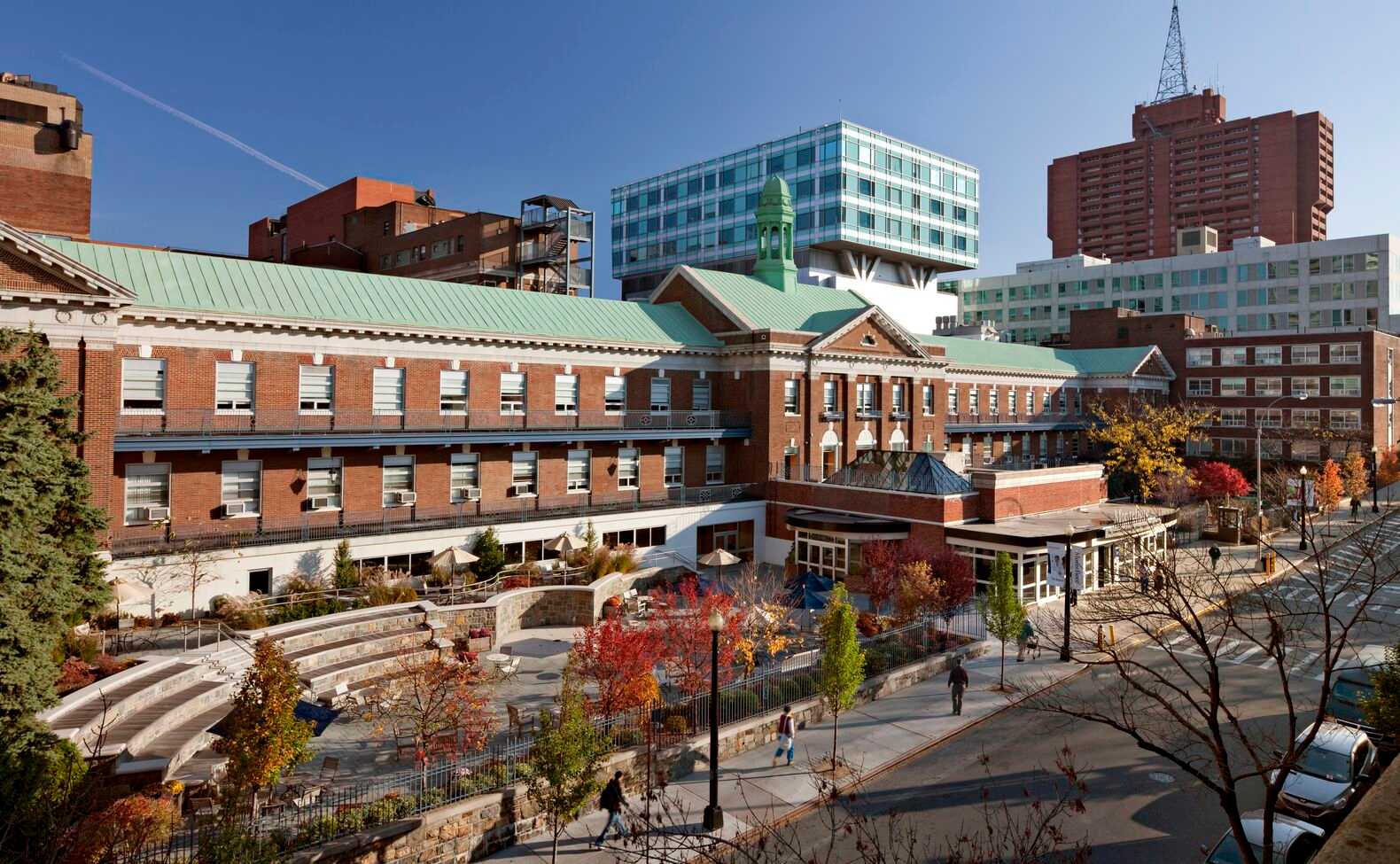
Montefiore Einstein Weiler Hospital is a 421-bed private hospital located in the Pelham Parkway section of the Bronx, adjacent to Albert Einstein College of Medicine. This location offers innovative gynecological and family planning services, patient-centered primary care and comprehensive cancer screening and treatment services. Fellows gain extensive operative experience through both inpatient and outpatient surgical centers, with exposure to a broad range of vaginal, robotic, laparoscopic, and cystoscopic procedures. Weiler Hospital is also a New York State-designated Regional Perinatal Center and a New York State-designated Stroke Center.
An ambulatory surgery center and specialty care location
Our Hutchinson Campus raises the bar for efficiency and innovation in healthcare. Designed with patients in mind, this 11-floor, 280,000-square-foot facility is a highly streamlined, patient-focused ambulatory care center that maximizes efficiency. The Hutchinson Campus is home to multiple specialties and services under one roof, often on the same floor, enabling greater physician collaboration, easier referrals, joint consultations, and shorter wait times. It serves as the primary site for our multidisciplinary Pelvic Floor Center, where fellows gain hands-on experience with a wide range of office-based procedures, including cystoscopy, intradetrusor onabotulinumtoxinA (bladder Botox) injections, Bulkamid®, percutaneous tibial nerve stimulation (PTNS), fluoroscopically guided peripheral nerve evaluation, and vaginal trigger point injections. The campus also includes an ambulatory surgery center, further expanding operative and procedural training opportunities.
Home to notable programs and our Centers of Excellence
Moses Campus is the main campus of our premier academic medical center. As a 726-bed hospital, Moses delivers state-of-the-art care to the community it serves. Through the breadth of specialties and services available at Moses, fellows gain extensive exposure to a wide range of pathologies, from general medical conditions to highly complex cases. Training is further enhanced through experience in both inpatient and outpatient surgical centers, with operative exposure to vaginal, robotic, laparoscopic, and cystoscopic procedures. Fellows also participate in weekend benign gynecology call coverage, providing valuable experience in acute and consultative care.
A community-based teaching hospital
Montefiore Mount Vernon Hospital is a 121-bed hospital providing comprehensive inpatient and outpatient care, supported by a dedicated ambulatory surgery center and outpatient clinic. The hospital plays a key role in advancing clinical research, spearheading all phases and types of clinical trials, including several sponsored by the NIH, to translate novel scientific discoveries into new diagnostics and treatments that improve clinical outcomes. Through participation in clinical trials, patients may gain access to emerging technologies and innovative treatments that may not otherwise be available to the general public, while helping advance care across maternal, fetal, obstetric, gynecologic, and women’s health conditions.
A world-renowned faculty

Melissa A. Laudano, MD
Program Director, Urogynecology & Reconstructive Pelvic Surgery
Assistant Dean, Clinical Science Education
Associate Professor, Urology, Obstetrics & Gynecology and Women's Health
Full Profile
Whitney Clearwater, MD, MPH
Associate Program Director, Urogynecology & Reconstructive Pelvic Surgery
Assistant Professor, Urology, Obstetrics & Gynecology and Women's Health
Full Profile
Nitya Abraham, MD
Director, Urogynecology & Reconstructive Pelvic Surgery
Vice Chair, Urology
Professor, Urology
Full Profile
Noelle Waldschmidt, MD
Assistant Professor, Urology
Assistant Professor, Obstetrics & Gynecology and Women's Health
Full ProfileAlexander Delvlahos, MD
Assistant Professor, Urology

Sylvia O. Suadicani, Ph.D.
Professor, Urology and Molecular Pharmacology
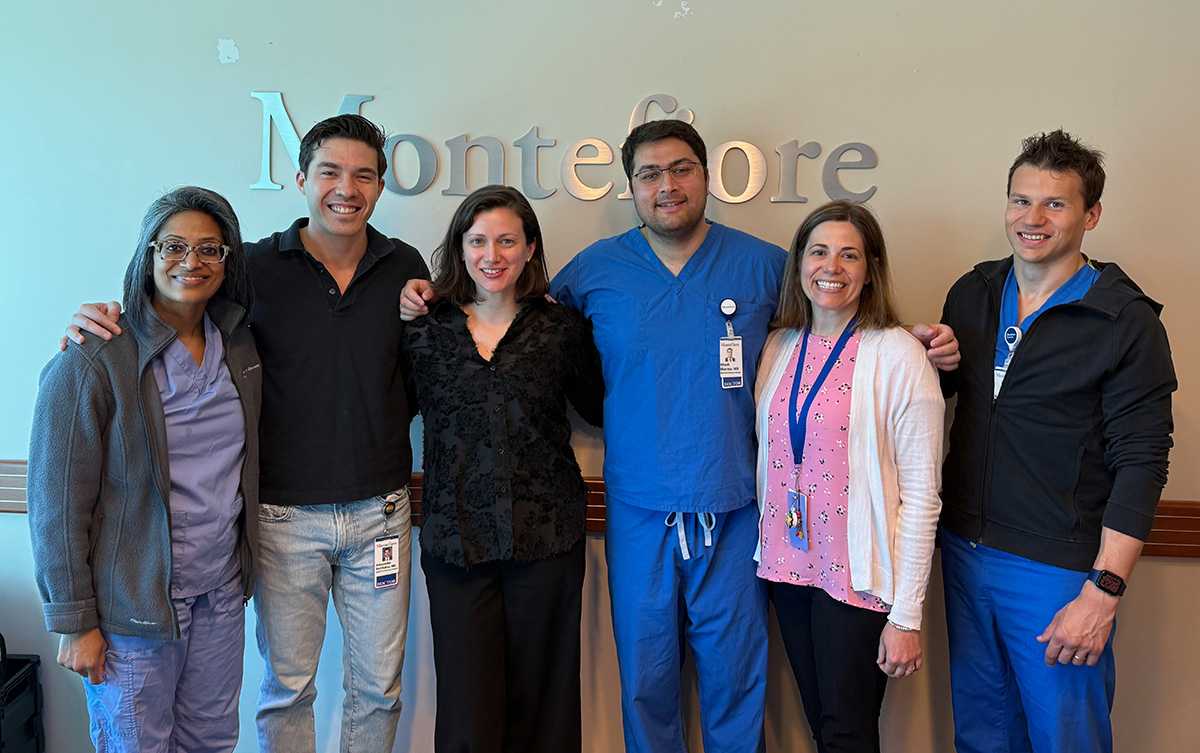
Current fellows

Katherine Panushka, MD
Class of 2029

Ariel Allen, MD
Class of 2029
Faculty and scientists at the forefront of research



Translational research with basic science
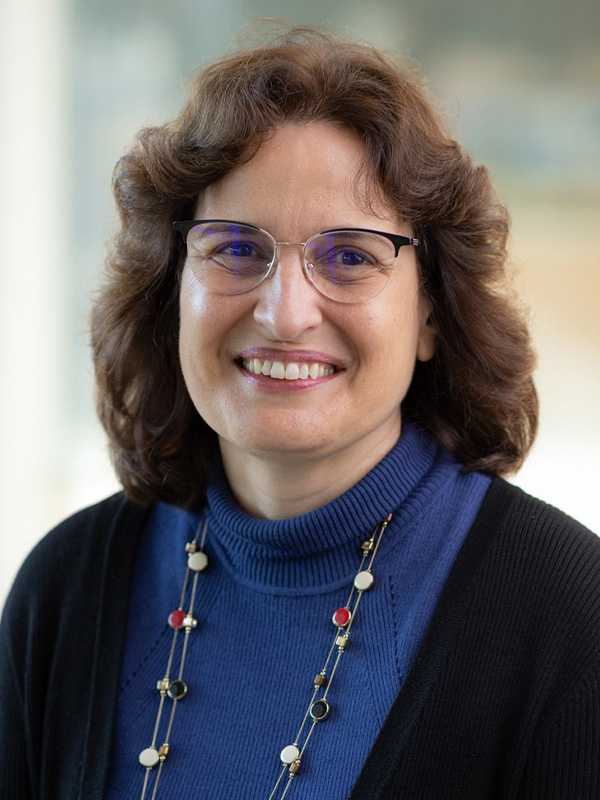
Collaboration with Dr. Sylvia Suadicani
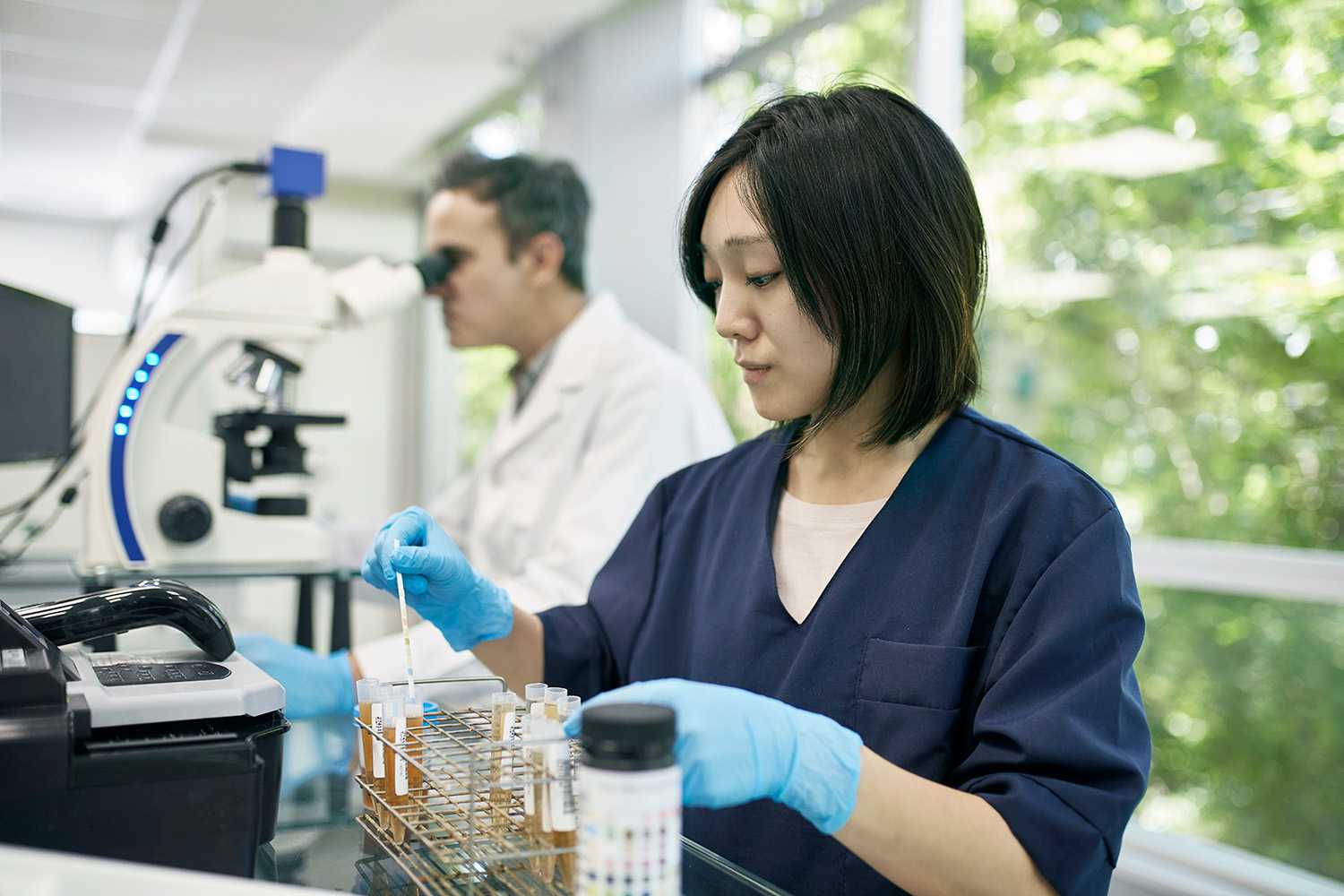
Research in our Laboratory focuses on understanding the physiological, cellular, and molecular mechanisms that contribute to urogenital dysfunction in a range of disease contexts, including diabetes, neurological disorders (such as multiple sclerosis and spinal cord injury), urologic chronic pelvic pain syndromes (e.g., interstitial cystitis/bladder pain syndrome), stress and aging-related changes. Our goal is to deepen the understanding of these complex disorders and identify novel molecular targets that can be translated into novel therapeutic strategies to improve patient outcomes and quality of life for individuals affected by these conditions.
Our studies span multiple areas, including:
- Mechanisms of bladder and female sexual dysfunction in metabolic, neurologic, and menopausal conditions
- Organ crosstalk, such as gut–bladder and bladder–genital interactions that contribute to pelvic pain and development of urogenital dysfunction
- Influence of the gut microbiome on urogenital function and pelvic pain
- Diabetic skeletal complications, including osteopenia and impaired bone adaptation
In our laboratory, we use animal and cellular models combined with physiological, behavioral, pharmacological, genetic, molecular, and histological approaches to examine disease processes from multiple angles. Our work is highly collaborative, and we partner closely with basic scientists and clinical colleagues at Montefiore Einstein and other institutions to ensure that our findings have translational relevance.
Our research efforts have been supported by NIH NIDDK R01 grants, American Heart Association, New York State Spinal Cord Injury Research Board, and Department of Defense CDMRP awards.
Disruption of Circadian Rhythm as a Potential Pathogenesis of Nocturia
Blocking Pannexin 1 Channels Alleviates Peripheral Inflammatory Pain but not Paclitaxel-Induced Neuropathy
Nanotechnology as a Tool to Advance Research and Treatment of Non-oncologic Urogenital Diseases
A Feasibility Study to Evaluate Changes in Urinary Metabolites after OnabotulinumtoxinA Injection for Refractory Overactive Bladder
Flavonoid Nobiletin Attenuates Cyclophosphamide-Induced Cystitis in Mice through Mechanisms that Involve Inhibition of IL-1β Induced Connexin 43 Upregulation and Gap Junction Communication in Urothelial Cells
Medical Treatment of Overactive Bladder
Kidney Stone Formation and the Gut Microbiome are Altered by Antibiotics in Genetic Hypercalciuric Stone-forming Rats
Generation and Characterization of Immortalized Mouse Cortical Astrocytes from Wildtype and Connexin43 Knockout Mice
Urothelium-Specific Deletion of Connexin43 in the Mouse Urinary Bladder Alters Distension-Induced ATP Release and Voiding Behavior
Mechanosensitive Vaginal Epithelial Adenosine Triphosphate Release and Pannexin 1 Channels in Healthy, in Type 1 Diabetic, and in Surgically Castrated Female Mice
Fecal Transplant Modifies Urine Chemistry Risk Factors for Urinary Stone Disease
Gap Junction Mediated Signaling Between Satellite Glia and Neurons in Trigeminal Ganglia
Role of Pannexin 1 Channels in Load-induced Skeletal Response
Pannexin 1 Channels Play Essential Roles in Urothelial Mechanotransduction and Intercellular Signaling
Admission and Application Process
Welcome! Thank you for your interest in the URPS Fellowship Program at Montefiore Medical Center / Albert Einstein College of Medicine
Qualifications
To apply to the Urogynecology & Reproductive Pelvic Surgery Fellowship Program, you must:
- Have successfully completed an ACGME-accredited postgraduate program in Obstetrics & Gynecology or Urology in the United States or Canada prior to the date on which your fellowship would begin, and have passed USMLE Step III by January of the year you would begin the program to ensure licensure
- We do accept foreign medical graduates. However, Montefiore Medical Center sponsors J1 visas and H1B visas as long as the $100,000 fee is not applicable
Number of Positions
1-2 positions are available each year in the Urogynecology Reproductive Pelvic Surgery Fellowship Program at Montefiore Medical Center
Important Dates:
- 11/12/2025 - ERAS opens for application submission
- 12/3/2025 - Fellowships may begin reviewing applications
- 1/26/2026 - Application deadline for consideration of first round of interview offers by participating urogynecology programs
- 2/17/2026 - Participating urogynecology programs will send out first round of interview offers on this date, by 9 pm Eastern
- 2/19/2026 - Applicants will accept or decline first round interview offers by 9 pm Eastern
- 2/20/2026 - 2nd round invites can be sent to additional applicants.
- 3/2/2026 - Interview season opens for participating urogynecology programs.
- 6/1/2026 - Interview season ends for participating urogynecology programs.
- Number of Positions Available - 1-2
- Length of Program - 2 or 3 years (for Urology-trained & OBGYN-trained, respectively)
How to Apply
To apply for a Urogynecology Reproductive Pelvic Surgery Fellowship position, you must submit an application using the Electronic Residency Application Service (ERAS) https://www.aamc.org/services/eras/
We will use signaling in the ERAS application starting this year. Paper applications are not accepted for fellowship positions
Appointments for the fellowship program are made through the National Resident Matching Program (NRMP). Applicants must register through the NRMP http://www.nrmp.org/
The following supplemental materials are required for program acceptance consideration:
- Curriculum Vitae
- A Personal Statement
- At least three letters of recommendation from faculty members familiar with your performance
- Two SLOE letters must be submitted (one from the residency PD and another from a Urogynecologist)
- Official USMLE Transcript
- Official Medical School Transcript
- Photograph
- Medical Student Performance Evaluation
- CREOG Scores(optional)
For more details visit:
https://www.augs.org/education-meetings/fellowship-programs/
Have questions? Get in touch.
Karen Nickens-Middlebrooks
718.430.3152
kanicken@montefiore.org
Learn more about the Montefiore Einstein Department of Obstetrics & Gynecology and Women’s Health